

Smithsonian Podcast: There's More to That
Smithsonian magazine covers history, science and culture in the way only it can — through a lens on the world that is insightful and grounded in richly reported stories. In There’s More to That, meet the magazine’s journalists and hear how they discover the forces behind the biggest issues of our time.

Subscribe
Listen to There's More to That for free using your favorite podcast platform.
/https://tf-cmsv2-smithsonianmag-media.s3.amazonaws.com/filer_public/2c/09/2c094d64-f723-4108-85ad-82ca4f6de7a8/apple-podcast-icon.png)
/https://tf-cmsv2-smithsonianmag-media.s3.amazonaws.com/filer_public/9c/4d/9c4d12f3-cbcb-4d1e-adaf-3bba0b2694c5/spotify-podcast-icon.png)
/https://tf-cmsv2-smithsonianmag-media.s3.amazonaws.com/filer_public/fa/60/fa60c21b-fba8-4991-acc8-031bfe5396a7/google-podcast-icon.png)
/https://tf-cmsv2-smithsonianmag-media.s3.amazonaws.com/filer_public/c5/bc/c5bc52c0-7957-452f-8ed4-1af912b9bba0/amazon-podcast-icon.png)
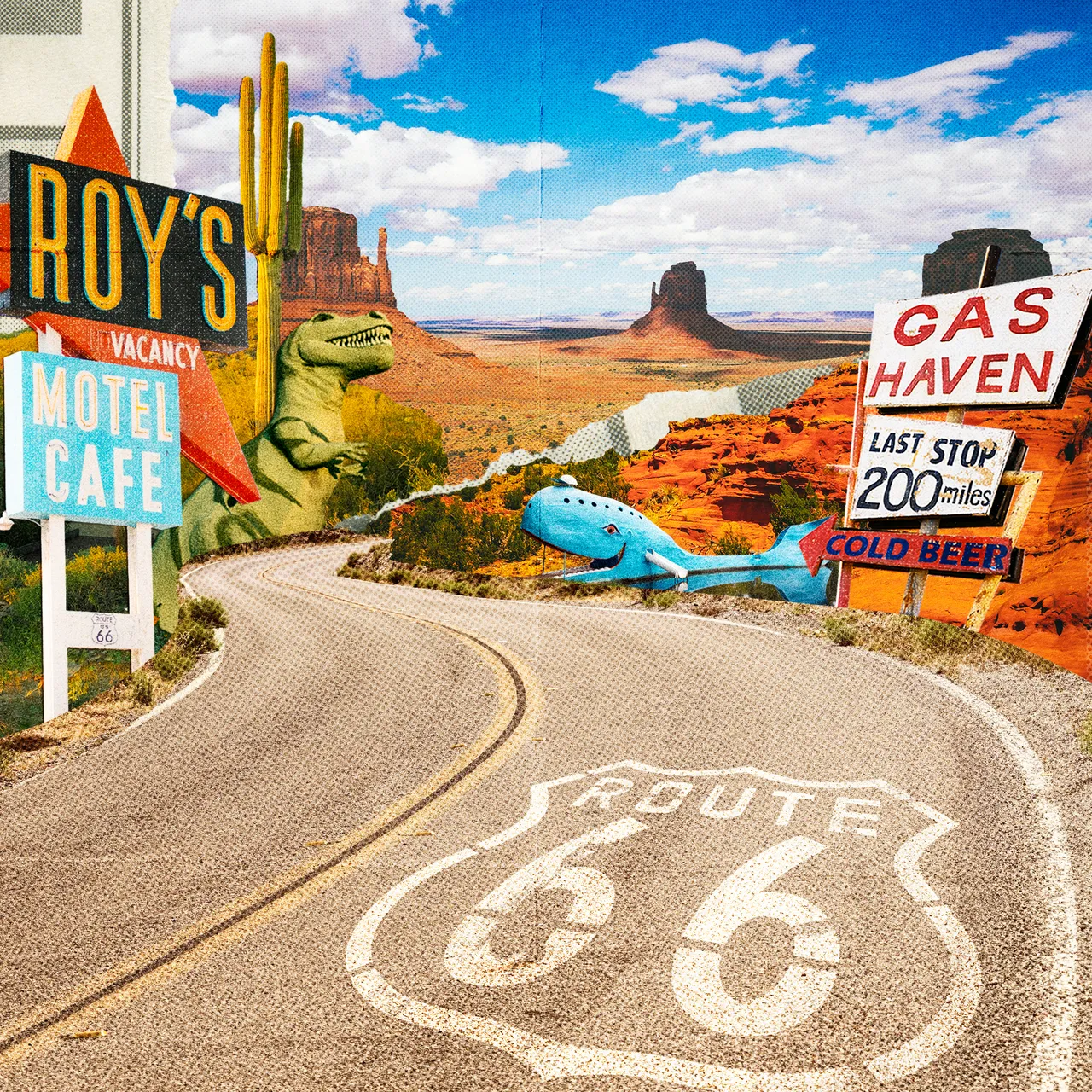
The Remarkable, Amazing Stories of Route 66 Reflect the Twists and Turns of 100 Years of Americana
The famed Route 66 has had many lives. During the Great Depression, the roadway helped migrants find their way to new jobs in the West. During World War II, it facilitated the transportation of munitions and armaments en route to the Pacific theater. Later, it became a busy thoroughfare for Americans wanting to explore their country. Storefronts, towns, gas stations, cafes and much more grew up along its edges. Then, as major interstates became the main byways for traveling Americans, Route 66 fell into obsolescence, becoming more a time capsule than roadway. Today, some of those roadside stops still exist, catering to tourists seeking a dose of unvarnished Americana. In this episode, host Ari Daniel chronicles the origin of the federal interstate system and how Route 66 fits into that history.
Related Articles
:focal(750x500:751x501)/https://tf-cmsv2-smithsonianmag-media.s3.amazonaws.com/filer_public/c6/75/c6754f99-a657-402b-b4a6-eefd5321031b/gettyimages-2209373065.jpg)
:focal(750x500:751x501)/https://tf-cmsv2-smithsonianmag-media.s3.amazonaws.com/filer_public/d3/a1/d3a12939-01ca-402e-97fe-1deb52c46233/250_1500x1000.jpg)
:focal(1004x684:1005x685)/https://tf-cmsv2-smithsonianmag-media.s3.amazonaws.com/filer_public/38/92/3892cd75-e27c-4860-934c-cc79b5c42e0e/gettyimages-1321328239.jpg)




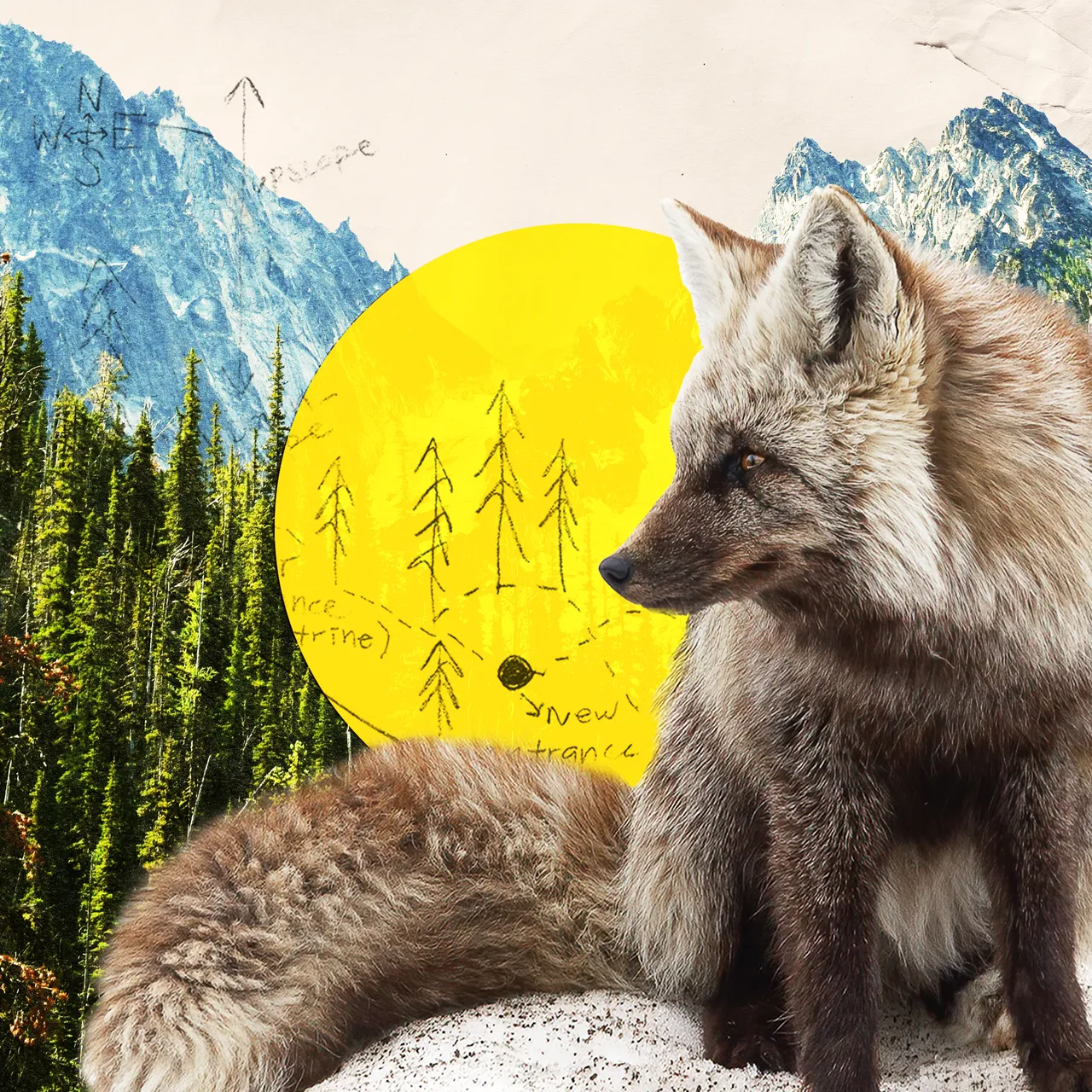
A Photographer's Glimpse Into the Dwindling World of the Cascade Red Fox
Gretchen Kay Stuart is a wildlife photographer who has cultivated a special relationship with the Cascade red fox. She first spotted the rare animal in 2020 on the slope of Mount Rainier in Washington State and has been documenting them ever since. Sometimes she’s witnessed tragic endings, but other times, the outcome has been more rewarding. For instance, she received exclusive access to photograph a family of these foxes, and her documentation is helping bring awareness to this subspecies that has only 50-some individuals remaining. In this episode, host Ari Daniel talks to Stuart and Jocelyn Akins of the Cascades Carnivore Project about what makes these foxes special, the threats they’re facing, and what’s being done to keep them from going extinct.
Related Articles
:focal(2025x1350:2026x1351)/https://tf-cmsv2-smithsonianmag-media.s3.amazonaws.com/filer_public/65/1e/651e7a00-2459-4cd9-b0bf-73d22729a386/crf-smithsonian-250719-090.jpg)
:focal(2451x785:2452x786)/https://tf-cmsv2-smithsonianmag-media.s3.amazonaws.com/filer/c3/fa/c3fa42c5-99a0-4536-89d4-5f915b908715/mar2020_a07_wolverinessocialmediaopener.jpg)
:focal(800x602:801x603)/https://tf-cmsv2-smithsonianmag-media.s3.amazonaws.com/filer_public/0e/06/0e062deb-5ddf-496d-9f35-65b33929f806/tenwildlifephotosbirds.jpg)
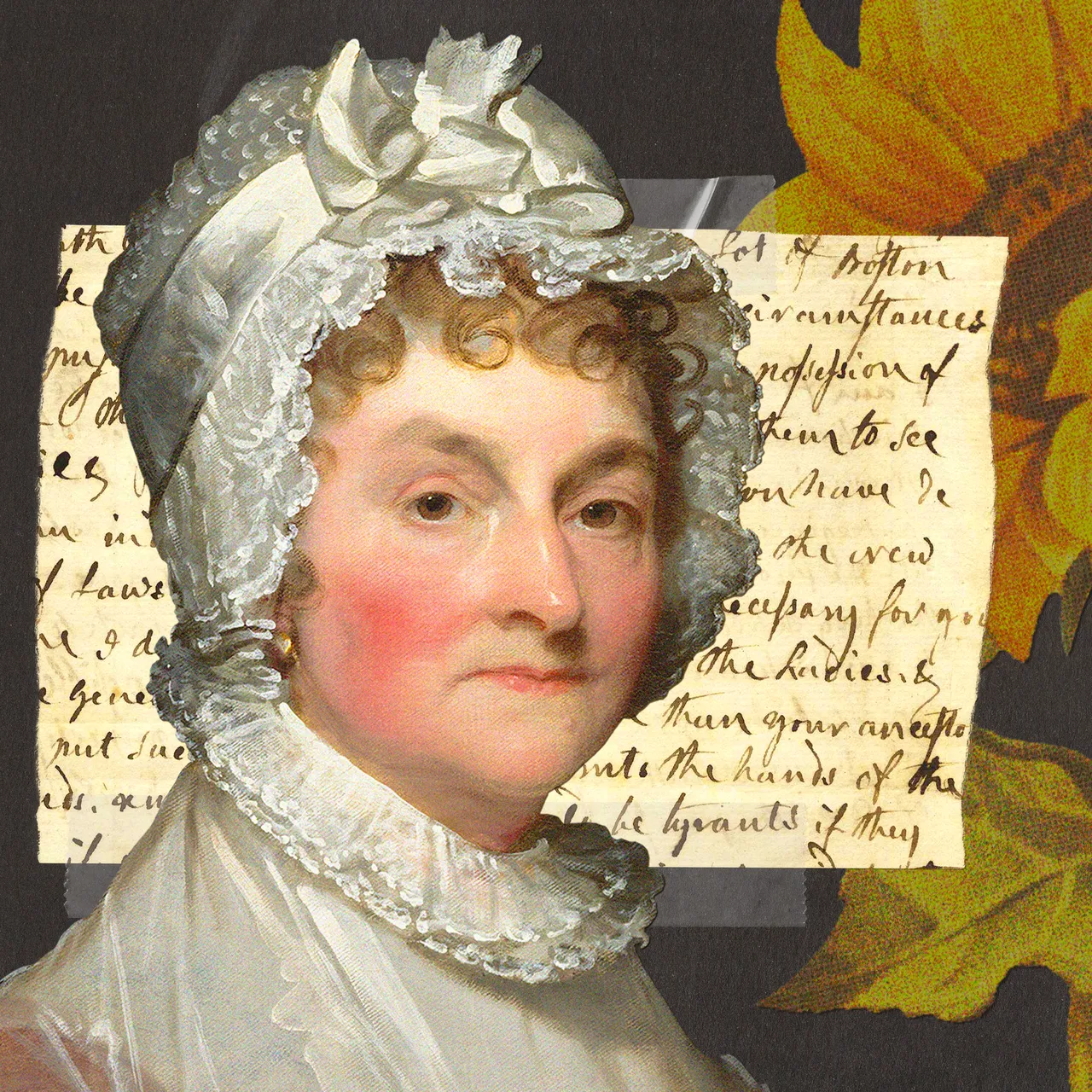
The Real Story Behind Abigail Adams' 'Remember the Ladies' Letter
In March of 1776, Abigail Adams wrote a letter to her husband, John Adams, as he and the other founders were debating independence. She wrote, "I desire you would remember the ladies and be more generous and favorable to them than your ancestors. Do not put such unlimited power into the hands of the husbands." A common contemporary interpretation is that Abigail Adams was advocating for women’s suffrage. But most historians believe that she was condemning husbands who had unchecked power over their wives. In this episode, host Ari Daniel speaks with historian Cassandra Good about the role of women in revolutionary America, the importance of this letter at the time, and how it has been interpreted since.
Related Articles
/https://tf-cmsv2-smithsonianmag-media.s3.amazonaws.com/filer/1c/d4/1cd4cef0-5c8e-4fac-bf22-f5b9944e0f93/benjamin_franklin_1767.jpg)
:focal(700x527:701x528)/https://tf-cmsv2-smithsonianmag-media.s3.amazonaws.com/filer_public/2b/19/2b19305c-7504-4a92-a37e-08dfb789aa24/patrickhenry.jpg)
/https://tf-cmsv2-smithsonianmag-media.s3.amazonaws.com/filer/64/07/6407602d-dc06-4763-87ef-90a72ecde10c/abigail_and_john.png)
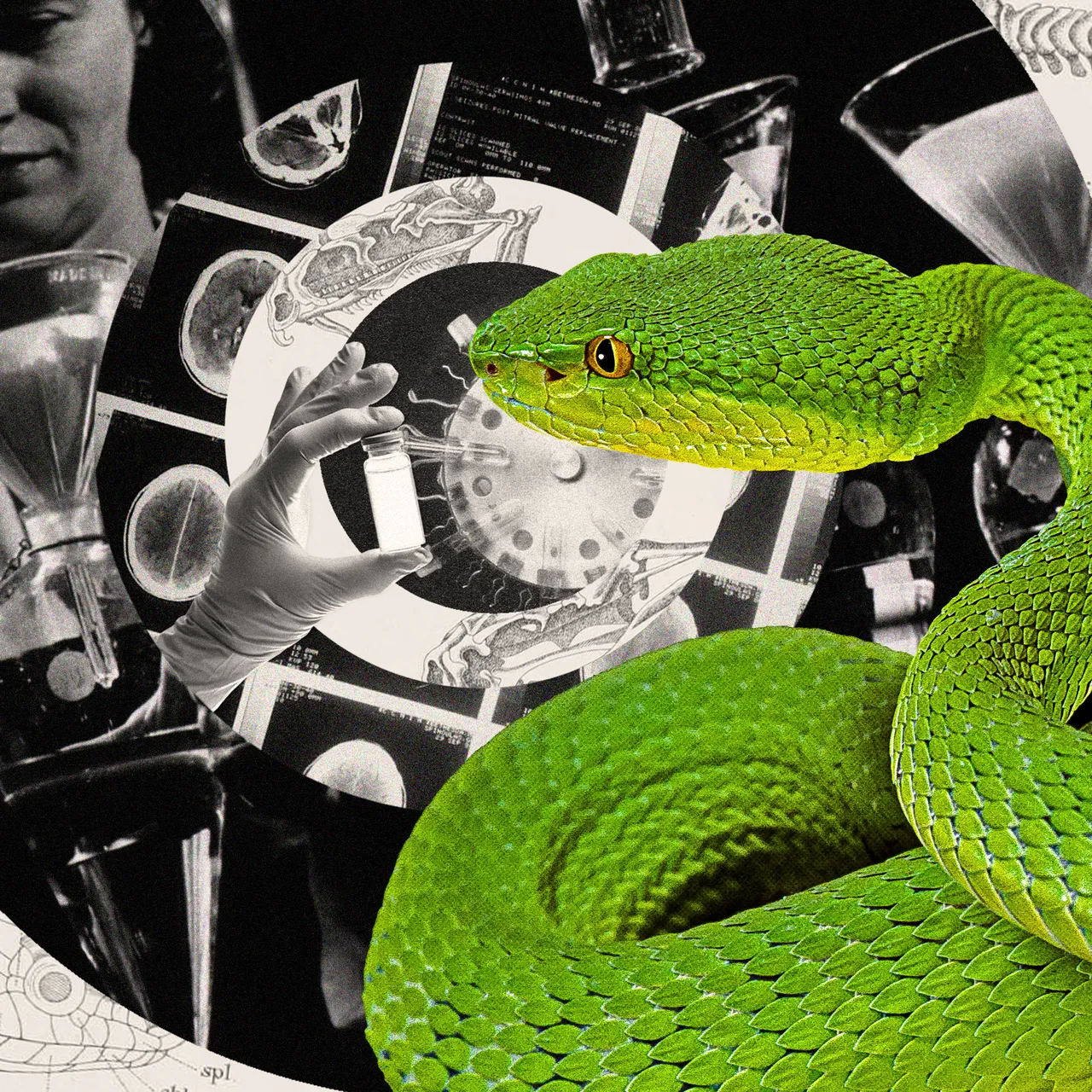
Snakes bite five million people each year, killing some 125,000 and disfiguring or blinding three times as many. Antivenoms aren’t always readily available and even when they are, they can be deadly themselves, as they can induce life-threatening allergic reactions. But researchers are making progress toward creating safer, more broadly acting antivenoms. In this episode, host Ari Daniel speaks with journalist Victoria Malloy, who wrote a story for Smithsonian magazine about antivenoms, and researcher Irene Khalek. They discuss the danger of snakebites globally, the history of antivenoms and their traditional manufacture, and the various efforts underway to create safer versions.
Related Articles
:focal(1060x717:1061x718)/https://tf-cmsv2-smithsonianmag-media.s3.amazonaws.com/filer_public/ae/72/ae727c4a-5ae4-4fd2-820e-5b6682d89103/gettyimages-2215121407.jpg)
:focal(2592x1728:2593x1729)/https://tf-cmsv2-smithsonianmag-media.s3.amazonaws.com/filer_public/5e/e6/5ee6c337-4b3b-44b4-931e-4c710f8cd926/green_tree_snake_awabakal.jpg)
:focal(1500x1029:1501x1030)/https://tf-cmsv2-smithsonianmag-media.s3.amazonaws.com/filer_public/e2/83/e283fdb5-fba5-41a0-bfc9-1cba2b7a70ea/mamba_snake.jpg)
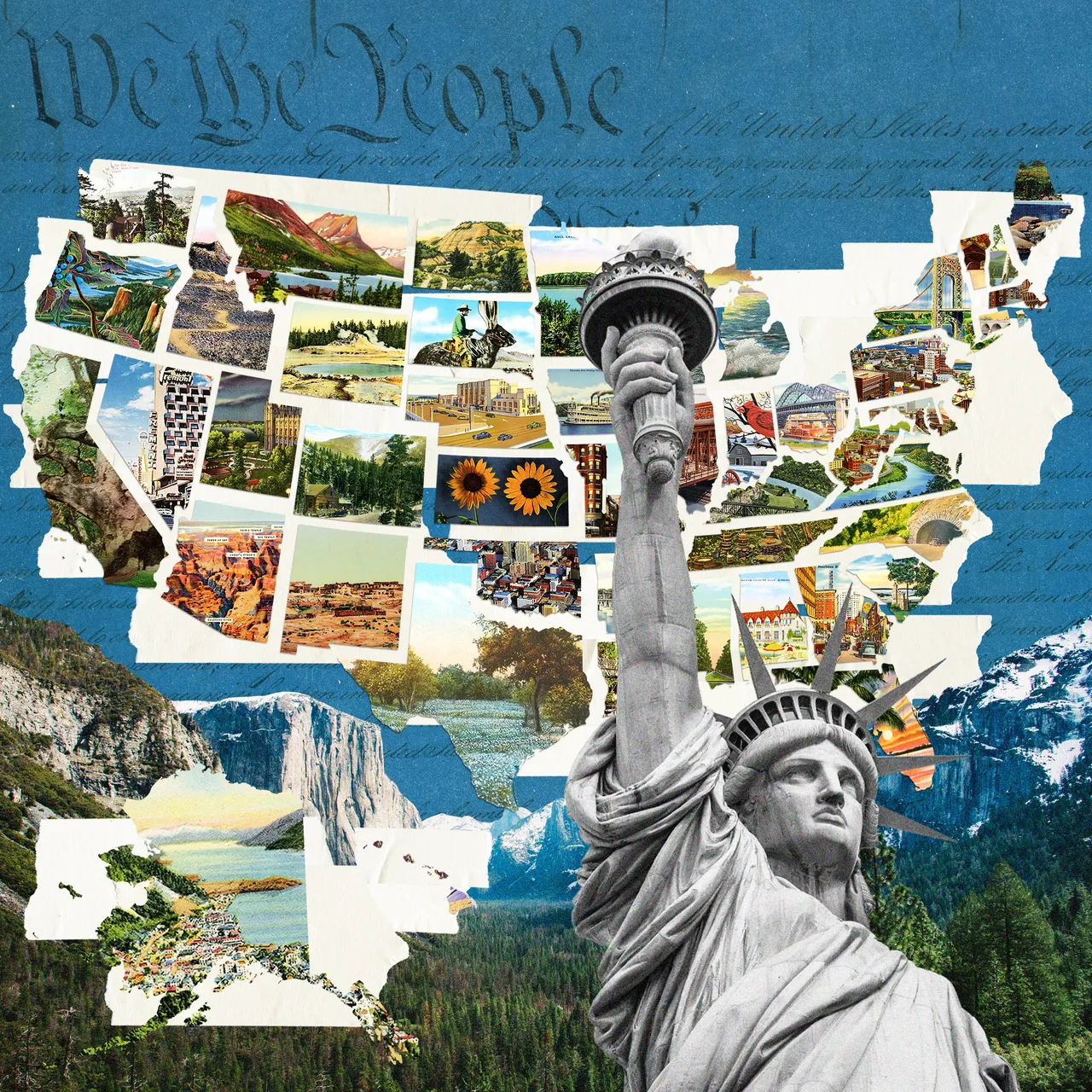
How to Fit 250 Years of American History and Culture Into One Map
In honor of the United States’ 250th birthday this year, Smithsonian magazine has curated an interactive map, “250 Places to Celebrate America.” The map features 250 of the most dramatic, intriguing, and surprising places to visit across the country, spanning ten categories including food, film and oddball Americana. In this episode, we speak with one of the editors behind the map project. In addition, we interview a preeminent historian and co-host of the podcast “This Day” to discuss the significance of the 250th anniversary, how other national birthdays have been celebrated in the past and the larger context of this moment in American history.
Related Articles
:focal(750x500:751x501)/https://tf-cmsv2-smithsonianmag-media.s3.amazonaws.com/filer_public/d3/a1/d3a12939-01ca-402e-97fe-1deb52c46233/250_1500x1000.jpg)
/https://tf-cmsv2-smithsonianmag-media.s3.amazonaws.com/filer/0c/d2/0cd2fb3e-cd0a-4416-99dd-5a368f61b237/img_5677.jpg)
:focal(2998x1766:2999x1767)/https://tf-cmsv2-smithsonianmag-media.s3.amazonaws.com/filer/a1/77/a17766d7-a1fe-4d6a-8417-d4e9de67b388/2013_239_10_001.jpg)
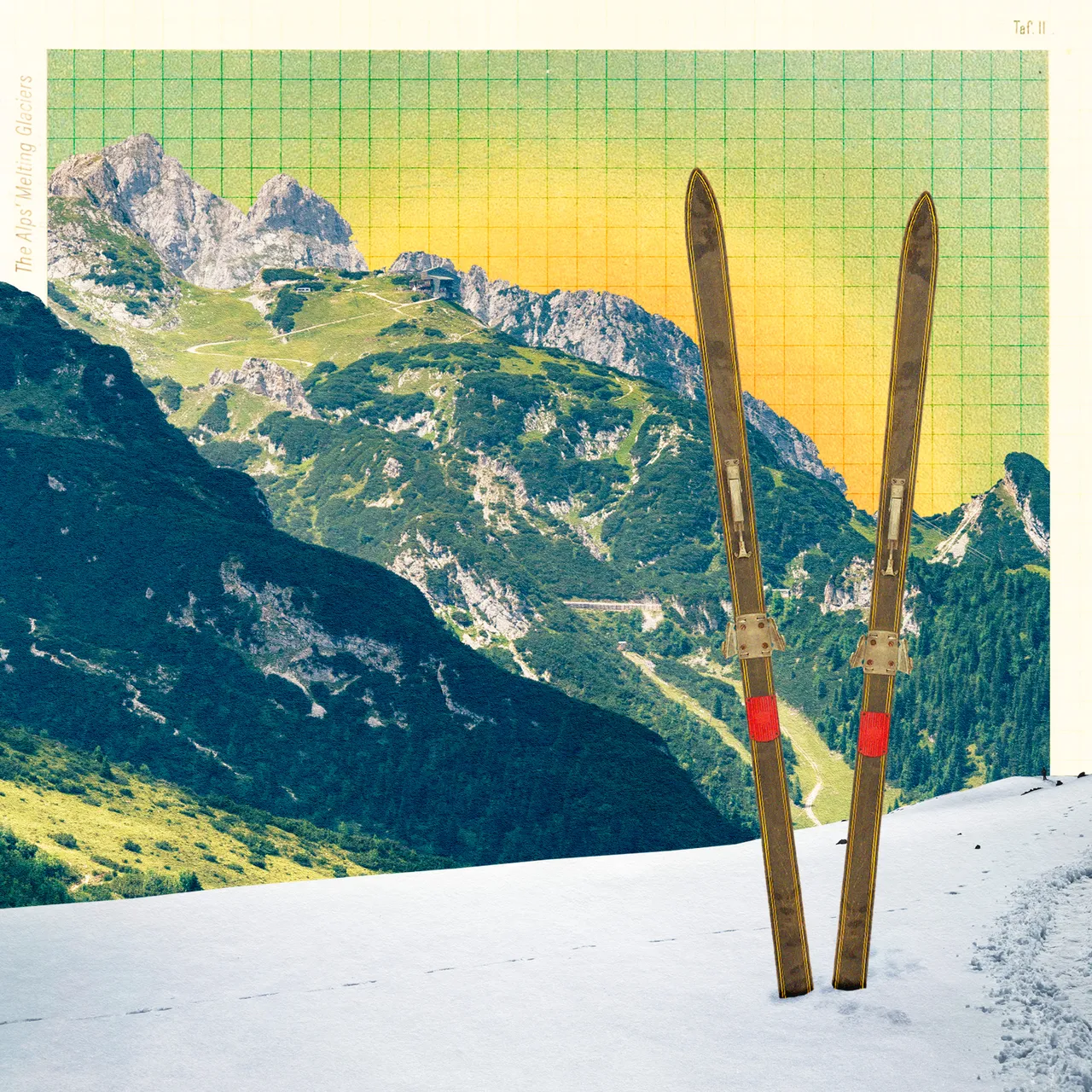
The Tragedy of the Alps’ Disappearing Glaciers for Those That Live, Visit and Ski There
Some 2,500 huts dot the landscape across the Alps. For more than two centuries, hikers and climbers have sought out these refuges but the mountain glaciers are melting, putting these huts, the entire culture of alpine hiking, and nearby towns and communities in danger. Avalanches, rockfalls, mudslides and flooding—brought on by a changing climate—are happening at a time when the Alps are more popular than ever. And the subject of an altered alpine habitat takes on additional importance amid the Winter Olympics in Italy. In this episode, we speak with Smithsonian magazine’s Megan Gambino, who edited a story on this topic, and environmental scientist Markus Stoffel, who studies how climate change is impacting higher elevations. Both are skiing enthusiasts, so the issue is personal to them as well.
Related Articles
:focal(1000x752:1001x753)/https://tf-cmsv2-smithsonianmag-media.s3.amazonaws.com/filer_public/fe/1b/fe1b36e5-06ae-4b51-9ac9-b228b6ca8cc5/img_1946.jpg)
:focal(2025x1350:2026x1351)/https://tf-cmsv2-smithsonianmag-media.s3.amazonaws.com/filer_public/1e/e0/1ee02b77-f2a0-43eb-a17f-e36838a0e8b7/janelle_jones_smithsonian_250725_1_copy.jpg)
:focal(990x543:991x544)/https://tf-cmsv2-smithsonianmag-media.s3.amazonaws.com/filer_public/4b/e4/4be4bd66-2be0-49e2-8c9b-de57c68e8b2b/gettyimages-1356015877.jpg)
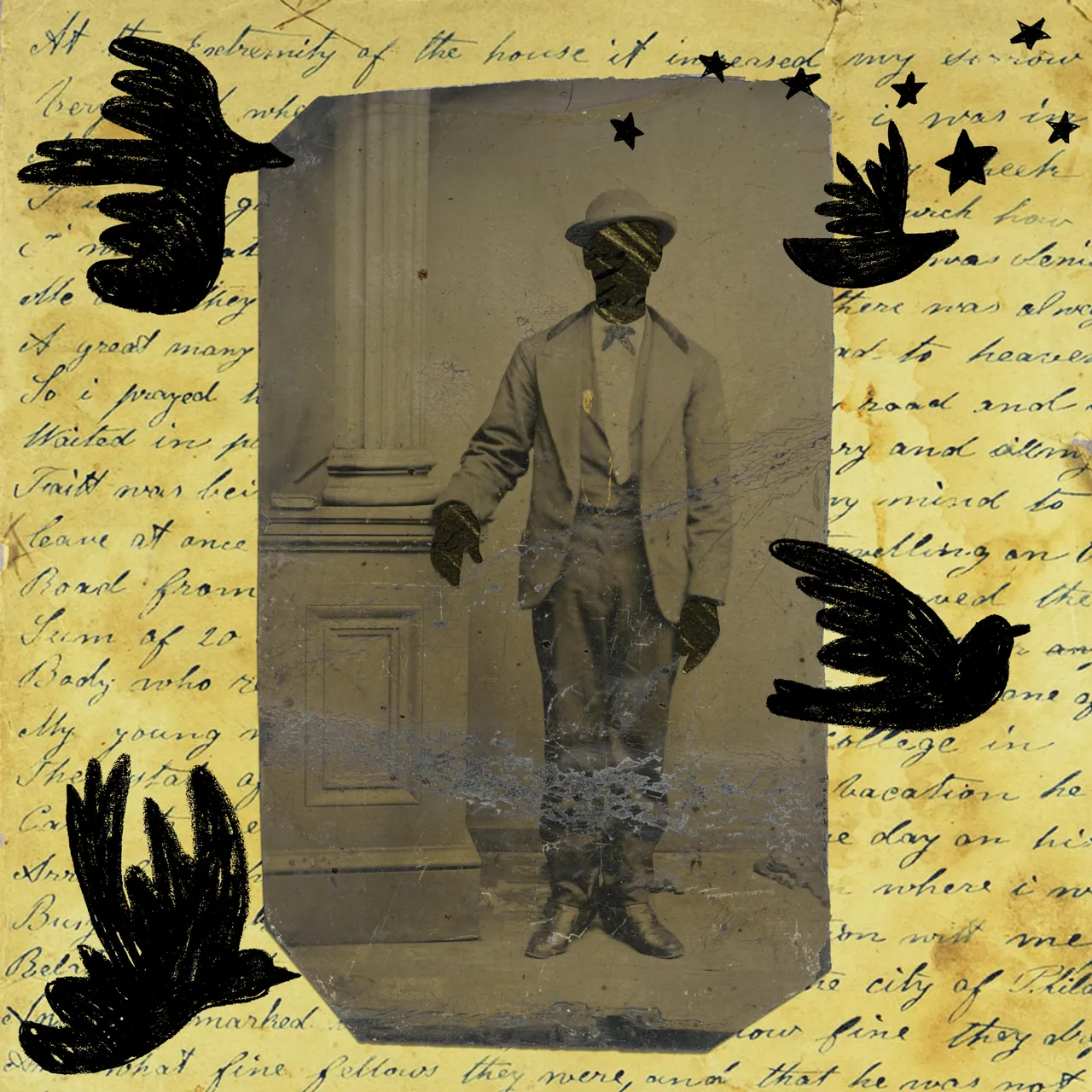
A Stunning Escape From Slavery Told on Tattered Pages
In the mid-1800s, before the Civil War, Thomas White fled his enslavement in Maryland for freedom. It was a risky escape, one that involved a horseback ride under the cover of darkness, abolitionists helping to hide him, and a northward journey through Delaware and Pennsylvania. Ultimately, he arrived—safe and free—in Massachusetts. The details of White’s flight are chronicled on 40-odd sheets of paper. Such slave narratives are exceedingly rare. Smithsonian magazine wrote about the discovery last year. In this episode, we speak with Rachel Fortuna Cabral, the Roger Williams University undergraduate who helped study the manuscript, and scholar Deborah Plant to learn about White’s escape and what such narratives tell us about slavery and emancipation in the United States.
Related Articles
:focal(2850x1927:2851x1928)/https://tf-cmsv2-smithsonianmag-media.s3.amazonaws.com/filer_public/02/39/0239a18f-f374-40bd-8aa6-c6d14f2e8563/lead-image2.jpg)
/https://tf-cmsv2-smithsonianmag-media.s3.amazonaws.com/filer/54/8c/548c45a7-255d-4f47-aad2-6756a15e7404/zora-neale-hurston-photo-credit-barbara-hurston-lewis-faye-hurston-lois-gaston.jpg)
:focal(1050x750:1051x751)/https://tf-cmsv2-smithsonianmag-media.s3.amazonaws.com/filer_public/30/80/308074f9-e2a5-4b0e-815e-beec66aa13d6/samgreen_v3.jpg)
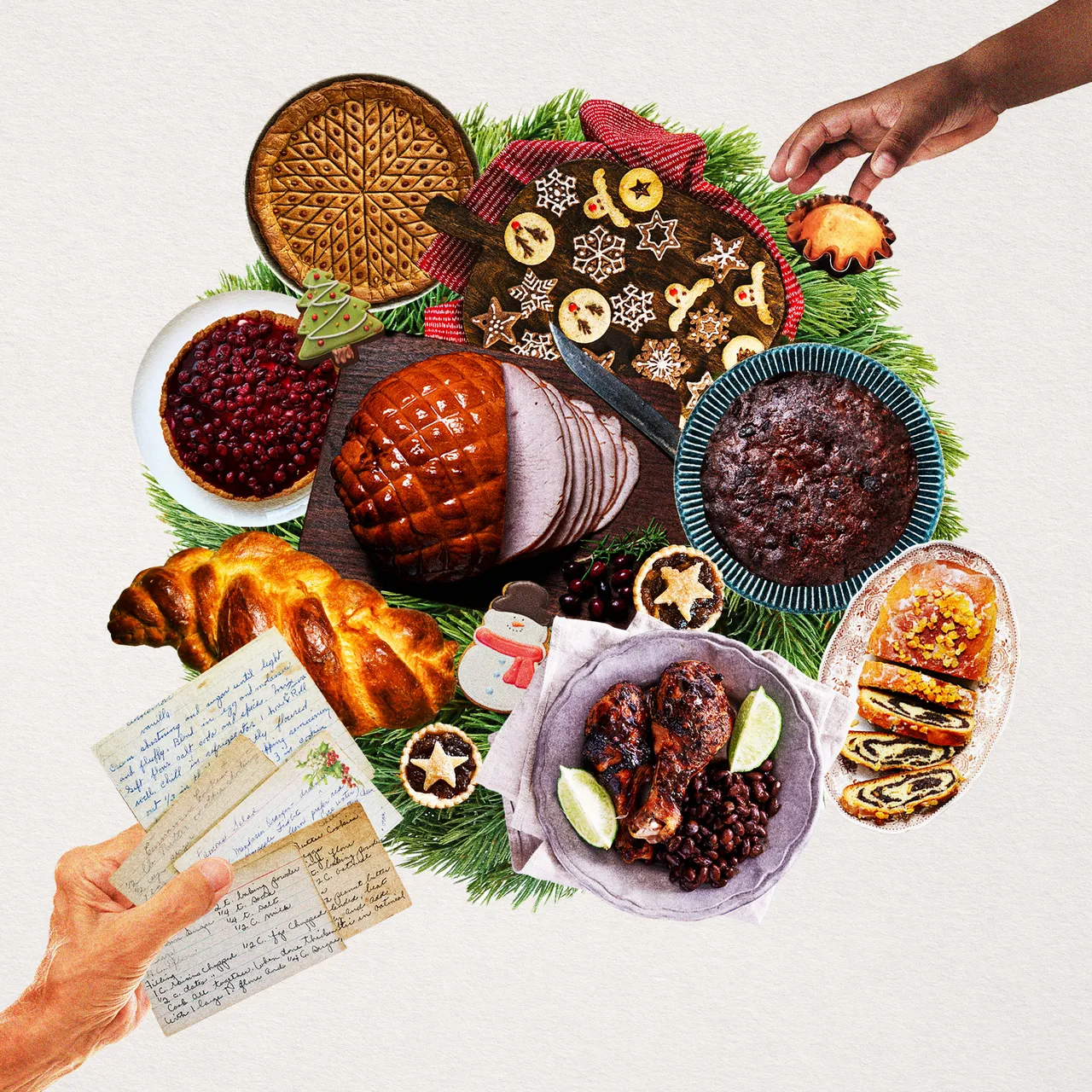
The Foods and Flavors That Make Our Holidays Delicious
Cherished recipes are often passed down, but how much do we know about the stories that shaped those foods? In this episode, we’re honoring the origins of traditional holiday foods lovingly prepared by two of our correspondents.
Host Ari Daniel starts by speaking with Elisa Hough, an editor at the Smithsonian Center for Folklife and Cultural Heritage, about the Filipino torta recipe that her mother prepared every Christmas. Now during the holidays, Elisa is the one making torta. And it’s the time of the year when she connects most closely to her Filipino heritage. Then we head to Jamaica where we meet Vaughn Stafford Gray, an independent journalist and former chef, who explains the colonial history of jerk and what it means in contemporary Jamaican culture.
Related Articles
/https://tf-cmsv2-smithsonianmag-media.s3.amazonaws.com/filer/49/1b/491bbe86-4b78-4d09-a4e3-4cc2dbe1d33d/if_making_jerk_seasoning_from_scratch_is_too_much_to_put_on_your_plate_many_us_grocery_stores_carry_marinades_and_seasonings_from_jamaican_companies_like_grace1.jpg)
:focal(350x260:351x261)/https://tf-cmsv2-smithsonianmag-media.s3.amazonaws.com/filer_public/25/27/2527187b-b45e-4aeb-8920-1c999cde9e65/cfts10031.jpeg)
/https://tf-cmsv2-smithsonianmag-media.s3.amazonaws.com/filer/b8/cf/b8cf3954-53ec-488d-b87d-bb17a93e8d59/6527569819_8003122da6_b.jpg)
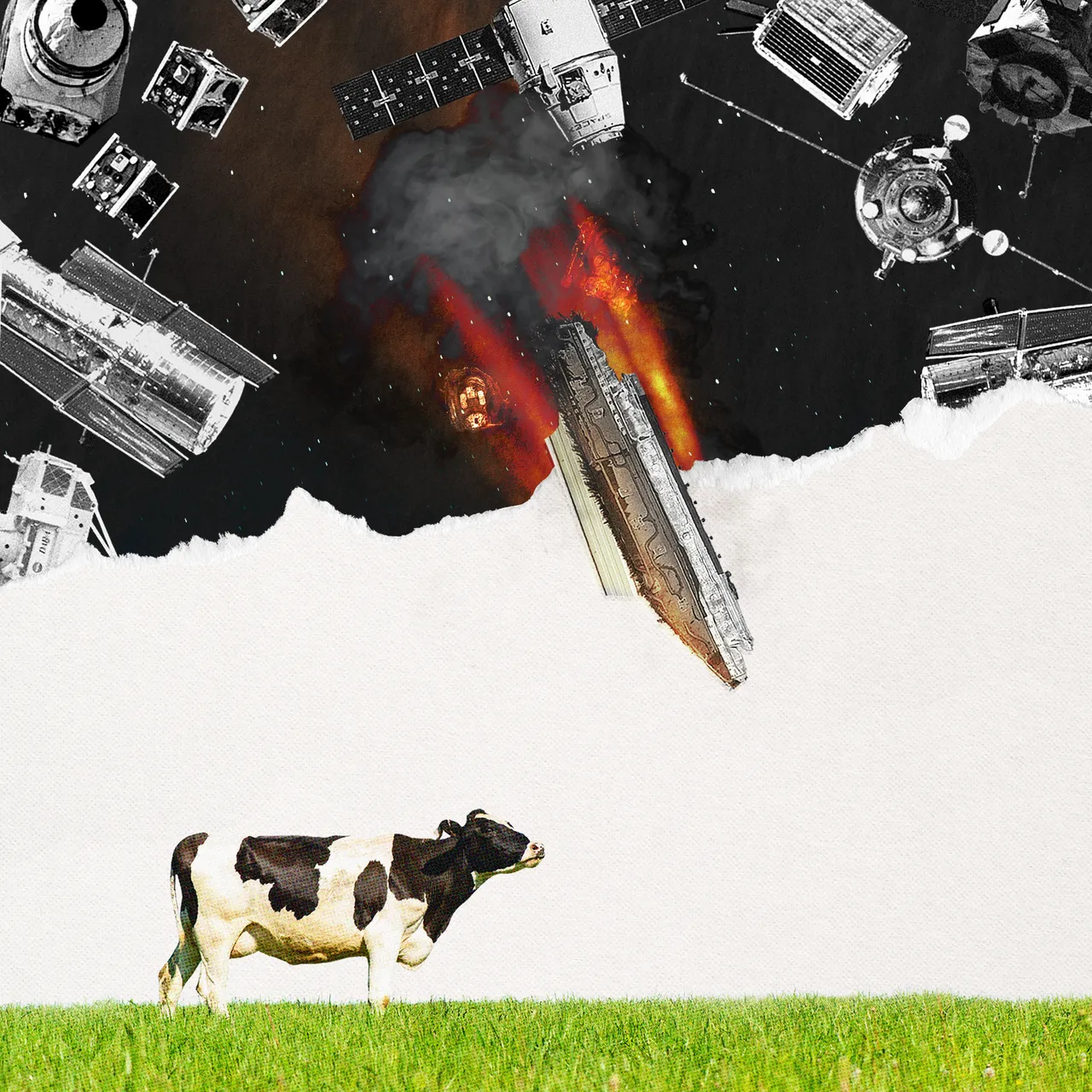
The Astronomical Problem of Space Junk
We have launched all manner of satellite and machinery into low-Earth orbit — but what goes up must come down. Most often, these items burn up in the atmosphere upon re-entry, which isn’t good for air quality or the ozone layer. Not everything incinerates, however, and increasing amounts of debris are hurtling back toward Earth and landing in backyards and farm fields. Falling detritus disrupts air travel and risks collision with infrastructure and people on the ground. There are those who argue that additional regulation is required around the launching and de-orbiting of these materials.
In this episode, host Ari Daniel speaks with astronomer Samantha Lawler and Smithsonian contributing writer Dan Falk about space junk and the concern among researchers that it is becoming a growing threat to public safety.
Related Articles
:focal(1000x667:1001x668)/https://tf-cmsv2-smithsonianmag-media.s3.amazonaws.com/filer_public/51/c2/51c208e3-a822-4197-9256-498b773173ea/gettyimages-1359390880_web.jpg)
:focal(750x500:751x501)/https://tf-cmsv2-smithsonianmag-media.s3.amazonaws.com/filer_public/b6/d0/b6d0b2a9-4381-4539-8603-6533b688e78a/smithsonian_feature_images_20.png)
:focal(400x267:401x268)/https://tf-cmsv2-smithsonianmag-media.s3.amazonaws.com/filer_public/6a/53/6a53ca5e-436e-4aae-91fc-2ffdb3bd420d/img_interview_murata_03_1.jpg)
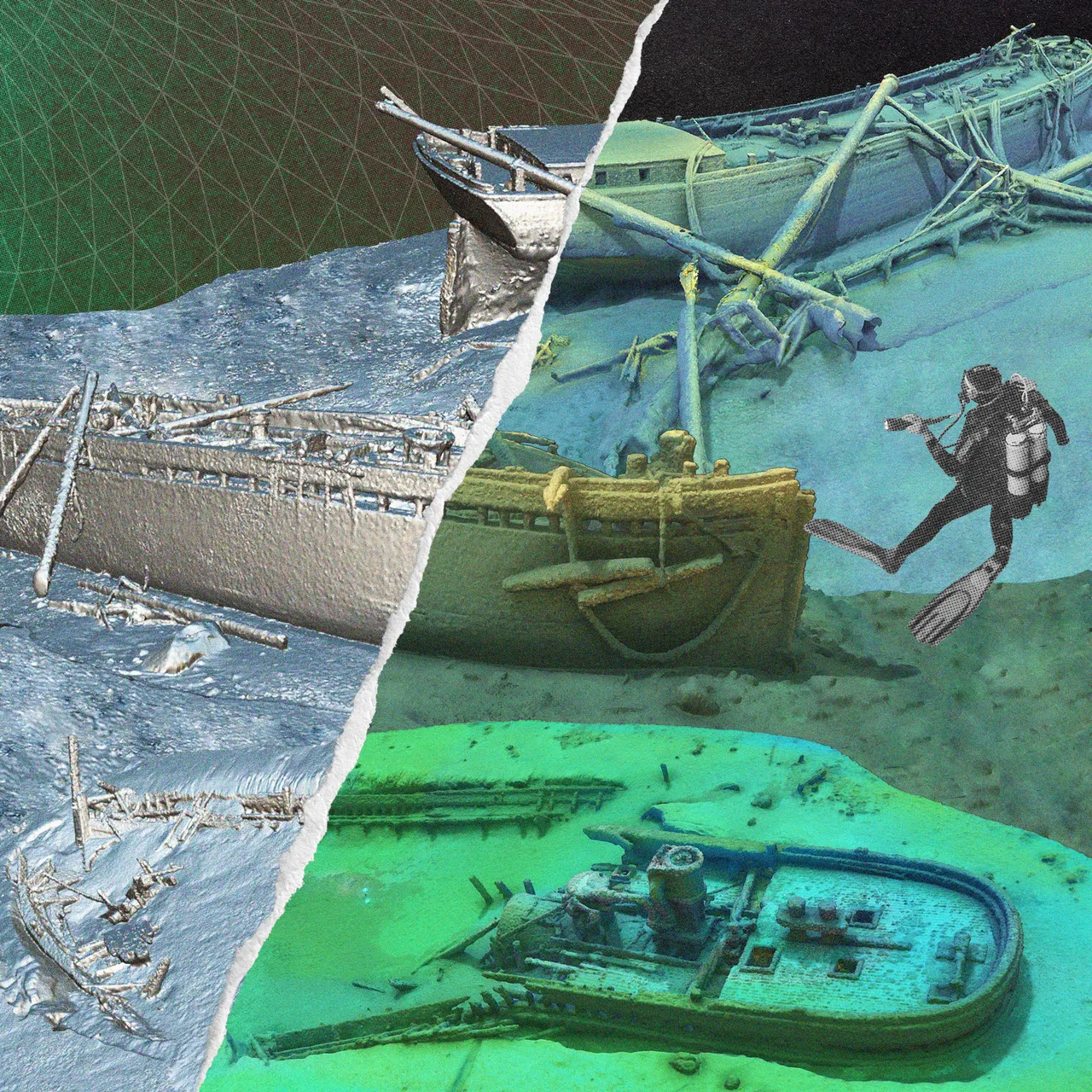
Why Are There So Many Shipwrecks in the Great Lakes?
Beneath the waters of the Great Lakes, thousands of shipwrecks, hulking carcasses of a bygone era, have been hiding for generations, just waiting to be revealed. Once someone stumbles upon one of these sunken treasures in Lake Michigan or Lake Superior, Tamara Thomsen, a maritime archaeologist with the Wisconsin Historical Society’s Maritime Preservation and Archaeology program, gets a call. Her job is to investigate and survey shipwreck sites. She and her colleagues have also unearthed dugout canoes that were fashioned thousands of years old by the Indigenous people who lived on this land.
In this episode, host Ari Daniel speaks with Thomsen about how she took up this profession, why she views shipwrecks as time capsules, why so many vessels met their watery grave on the Great Lakes, and how one stays warm at depth when diving for these wrecks for hours at a time.
Related Articles
:focal(1429x953:1430x954)/https://tf-cmsv2-smithsonianmag-media.s3.amazonaws.com/filer_public/ea/1d/ea1d79a1-0873-4102-9d23-6f31fea8f026/janfeb2025_a13_prologue.jpg)
:focal(1000x671:1001x672)/https://tf-cmsv2-smithsonianmag-media.s3.amazonaws.com/filer_public/32/56/32561951-9241-48bd-9b73-63990cad6212/smithmag-podcast-s04-ep16-edmund_fitzgerald-article.jpg)
:focal(1024x556:1025x557)/https://tf-cmsv2-smithsonianmag-media.s3.amazonaws.com/filer_public/b8/88/b88807db-cccb-4486-b5e7-3aa86e92b0ac/2048px-james_carruthers_underway.jpg)
Page 1 of 5